Jelly Meadow Font Review
As a web designer, I’m always on the lookout for fonts that add personality without sacrificing usability. Jelly Meadow caught my eye during a recent project where I needed a font that could bring a playful yet professional vibe to a boutique online store. After testing it in several layouts, I found that this slab serif font has a unique charm that works well in digital spaces.
A Playful Yet Refined Look
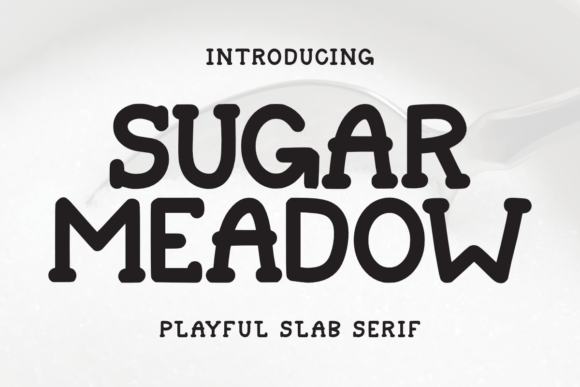
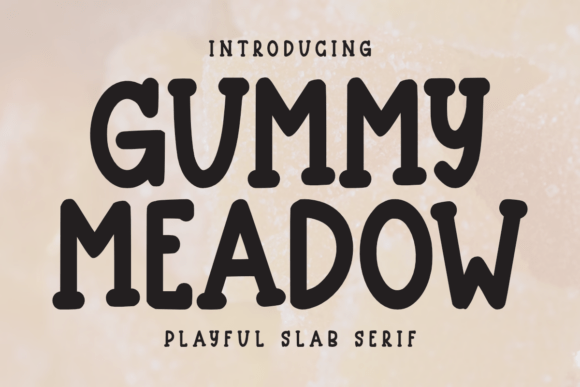
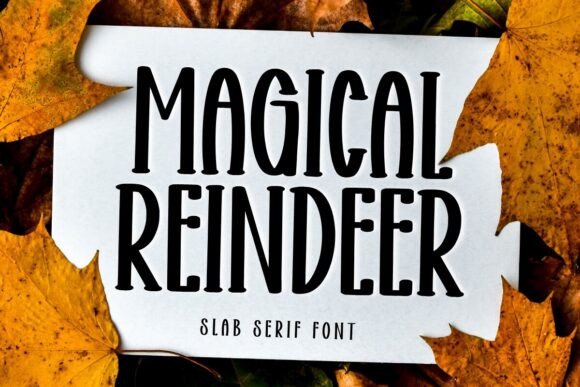
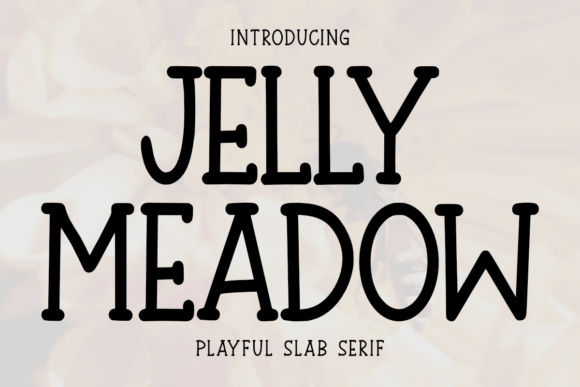
Jelly Meadow is a slab serif font with rounded terminals and a candy-inspired character. Its visual personality is both whimsical and sophisticated, making it ideal for brands that want to stand out while maintaining a clean aesthetic. The font feels like it was designed with creativity in mind, offering a balance between fun and readability.
When I used it for a hero section on a product landing page, it added a sense of warmth and approachability. The rounded edges give it a softness that contrasts nicely with more rigid design elements, creating a visually appealing hierarchy.
Best Uses in Web Design
Jelly Meadow shines in display roles rather than body text. It’s perfect for headers, call-to-action buttons, and decorative accents. On a coaching website, I used it for the main headline, and it immediately drew attention without overwhelming the reader.
For an online shop, I tested it on a banner image with a dark background. The font maintained its clarity and didn’t get lost in the contrast. It also worked well when layered over images, adding a touch of personality without distracting from the visuals.
On mobile devices, Jelly Meadow held up surprisingly well. Even at smaller sizes, the characters remained legible, which is a big plus for responsive design. It’s not the best choice for long paragraphs, but as a heading or subheading, it performs admirably.
Pairing Suggestions for Digital Projects
While Jelly Meadow is a standout on its own, pairing it with a clean sans serif font can create a balanced look. For example, using it for headlines and a simple serif or sans serif font for body copy helps maintain visual harmony without clashing.
I paired it with a modern sans serif for a blog redesign, and the combination felt cohesive and professional. It also worked well with a script font for a more creative brand identity, adding a touch of elegance without being too ornate.
For a course sales page, I used Jelly Meadow for the title and a bold display font for key points. This created a dynamic visual flow that guided the user through the content effectively.
Considerations for Web Usability
One thing to keep in mind is that Jelly Meadow isn’t ideal for dense text blocks. Its decorative nature makes it less suitable for long-form content, especially on smaller screens. If you’re designing a dashboard or a form-heavy interface, it’s better to stick with a more neutral typeface.
Accessibility is another factor. While the font is readable at larger sizes, it may not be the best choice for small navigation text or form labels. Always test it against different backgrounds and ensure there’s enough contrast for all users.
When using it for buttons or CTA elements, make sure the size is large enough to maintain legibility. A good rule of thumb is to use it for text that’s 24px or larger, especially on mobile devices.
Font File and Licensing Options
Before implementing Jelly Meadow on a website, check the available file formats and licensing options. Most premium fonts come with webfont licenses, which allow for safe and legal use across multiple platforms.
It’s also worth checking if the font includes alternates, ligatures, or swashes that can add variety to your designs. These features can help you avoid repetition and keep your layout fresh.
If you're working on a client project or an online store, make sure the font license covers commercial use. Some fonts have restrictions that could limit how you apply them in a business setting.
Jelly Meadow’s versatility makes it a valuable addition to any digital design toolkit. Whether you're building a portfolio site, launching a new product, or redesigning a blog, it brings a unique energy that can elevate your brand’s visual identity.