Puffy Bunny Font: Playful Typography for Editorial Design
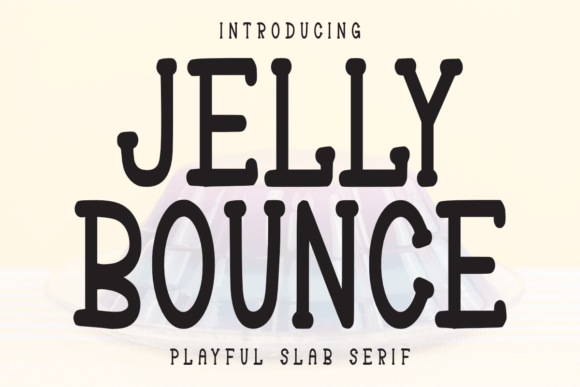
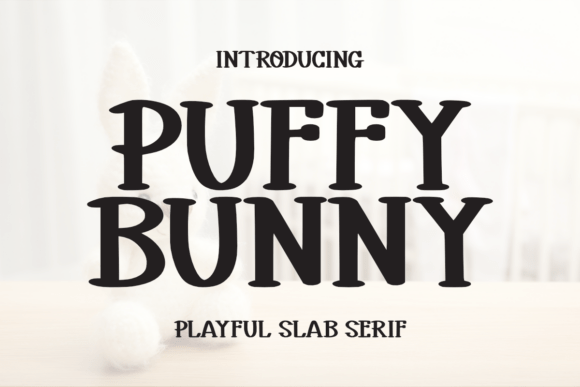
Puffy Bunny is a whimsical slab serif font that brings a soft, bouncy energy to editorial design. Its rounded edges and playful letterforms make it ideal for content that aims to engage readers with a friendly, approachable tone. Whether used in blog headers, magazine covers, or printable guides, Puffy Bunny adds visual interest without sacrificing readability.
The font’s character is defined by its gentle curves and exaggerated x-heights, which give it a sense of movement and charm. This makes it particularly effective for projects targeting younger audiences or those looking to convey a lighthearted, creative vibe. Its slab serif structure provides strong visual presence while maintaining a warm, inviting feel.
Using Puffy Bunny in Editorial Layouts
In editorial design, typography plays a key role in guiding the reader’s eye and setting the tone of the content. Puffy Bunny excels as a display font, making it perfect for headlines, subheadings, and pull quotes. Its bold yet soft appearance helps draw attention to key sections of an article or publication, enhancing visual hierarchy without overwhelming the reader.
For example, a lifestyle blog could use Puffy Bunny for section headings or featured post titles, creating a cohesive and engaging look. In a recipe ebook, it might appear on chapter openers or ingredient lists, adding a touch of personality to the design. Similarly, a wedding guide could benefit from Puffy Bunny in cover text or special event announcements, reinforcing a celebratory mood.
Supporting Brand Identity and Reader Engagement
When used consistently across a publication, Puffy Bunny can help establish a distinct brand identity. Its unique style sets it apart from more traditional serif or sans serif fonts, making it a great choice for independent content creators, digital magazines, or printable products. The font’s expressive nature supports a brand’s voice, whether it’s playful, elegant, or modern.
For a coaching workbook or printable planner, Puffy Bunny can be used in title blocks, motivational quotes, or section dividers. These elements not only enhance the visual appeal but also create a more immersive reading experience. In newsletters or lead magnets, it can be used for callout boxes or highlight text, helping to emphasize important information.
Practical Applications Across Media
When considering where to place Puffy Bunny, it’s important to balance its visual impact with practicality. While it shines as a display font, it may not be the best choice for long-form body text due to its decorative elements. Instead, it works well as an accent typeface, paired with a more neutral font for readability.
For instance, a digital magazine might pair Puffy Bunny with a clean sans serif font for captions and navigation, allowing the display font to stand out in headlines and pull quotes. A recipe ebook could use it for dish names while relying on a serif font for instructions and ingredients. This pairing ensures that the design remains both visually appealing and easy to read.
Readability is also a key consideration when using Puffy Bunny in different formats. On screens, its curves remain legible at larger sizes, making it suitable for web banners, social media graphics, or email subject lines. In print, it maintains its clarity and charm, especially when used in smaller quantities such as headers or footnotes.
Font Pairing and Design Flexibility
Effective font pairing enhances the overall design and functionality of a publication. When working with Puffy Bunny, consider combining it with a complementary font that offers contrast and balance. A classic serif font like Georgia or Garamond can provide a strong foundation for body text, while a modern sans serif like Open Sans or Lato can serve as a clean, readable alternative for captions or sidebars.
For a more dynamic look, Puffy Bunny can be paired with a script or handwritten font for special elements like testimonials, quotes, or personal notes. This combination adds depth and variety to the layout while keeping the design cohesive. It’s also worth exploring ligatures, alternates, and stylistic sets if available, as these features can add subtle customization and refinement to the typography.
Commercial Use and Licensing Considerations
When using Puffy Bunny in commercial projects, it’s essential to review the licensing terms. Many premium fonts allow for use in ebooks, templates, printables, and paid newsletters, but restrictions may apply depending on the specific license. Always ensure that the font is properly licensed for the intended use, especially if it will be included in client work or digital downloads.
For content creators and publishers, this means checking whether the font permits redistribution, modification, or embedding in PDFs. Understanding these details helps avoid legal issues and ensures that the design remains compliant with industry standards.
Whether you’re designing a lifestyle blog, a printable worksheet, or a digital magazine, Puffy Bunny offers a versatile and expressive option for editorial typography. Its blend of playfulness and structure makes it a valuable addition to any designer’s toolkit, helping to elevate the visual language of content while supporting clear communication and reader engagement.
By thoughtfully integrating Puffy Bunny into layouts, designers can create a more dynamic and memorable reading experience. From cover text to quote graphics, this font brings a sense of fun and creativity to every project it touches.